 |
     |
 |
|
|
Aesthetics from a psychological perspective is the study of all things beautiful whether art or not, and all things art whether beautiful or not.
|
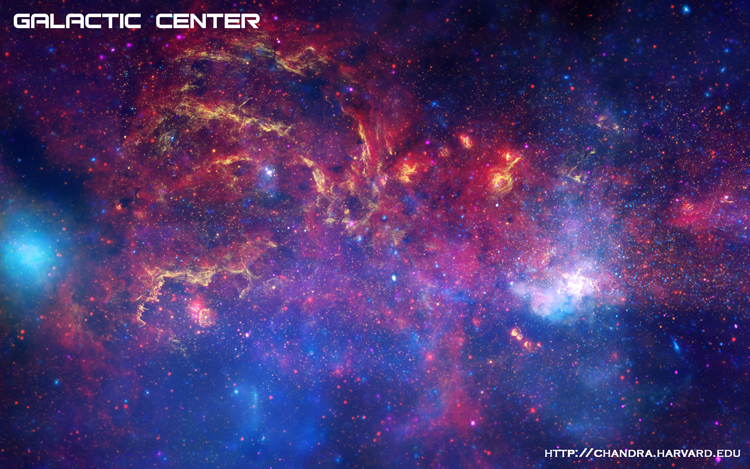
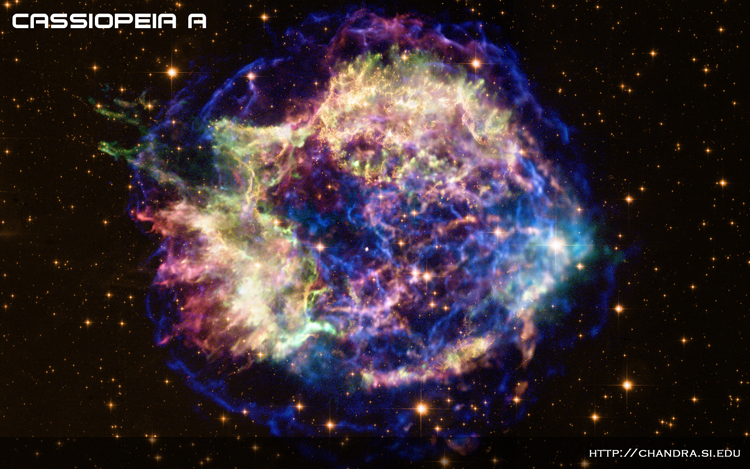
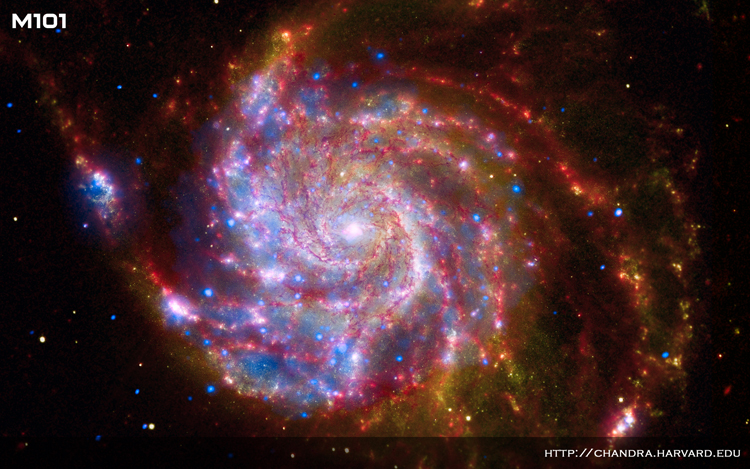
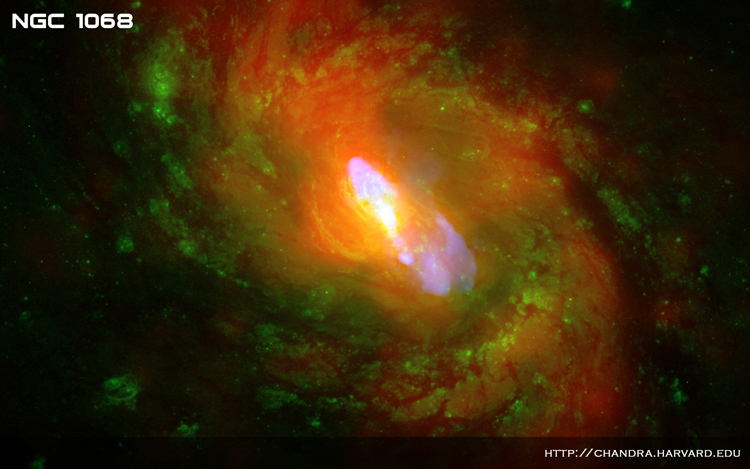
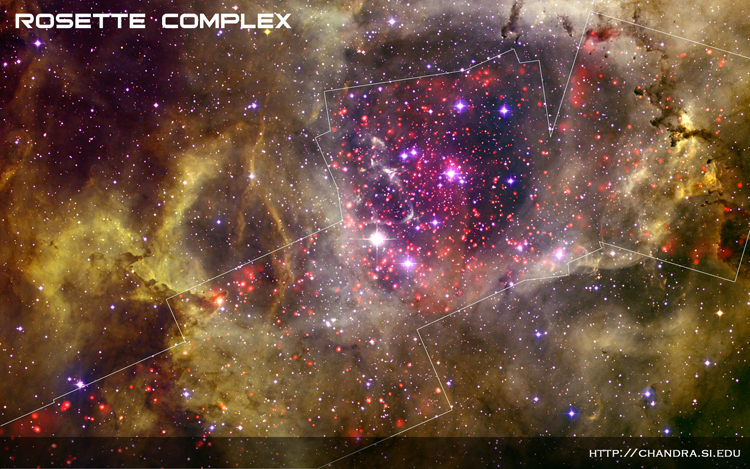
Studying Perceptions of Astronomy Images Images of the cosmos provide snapshots of various phases of life and death, different physical phenomena, found in locations across the known Universe. Today, some 400 years after Galileo created his, modern telescopes have enabled us to "see" what the human eye cannot. This new generation of ground- and space-based telescopes has created an explosion of images for experts and non-experts to explore. The Aesthetics & Astronomy project studies the perception of multi-wavelength astronomical imagery and the effects of the scientific and artistic choices in processing astronomical data. The images come from a variety of space and ground-based observatories, including NASA's Chandra X-ray Observatory, Hubble Space Telescope, Spitzer Space Telescope, the Solar Dynamics Observatory, the Very Large Array, and many others. Evaluation of such data will benefit astronomy across the electromagnetic spectrum of astronomical images, and may help visualization of data in other scientific disciplines. Watch the YouTube video below or read more on the project –> |
| Connect with us on Twitter: |
